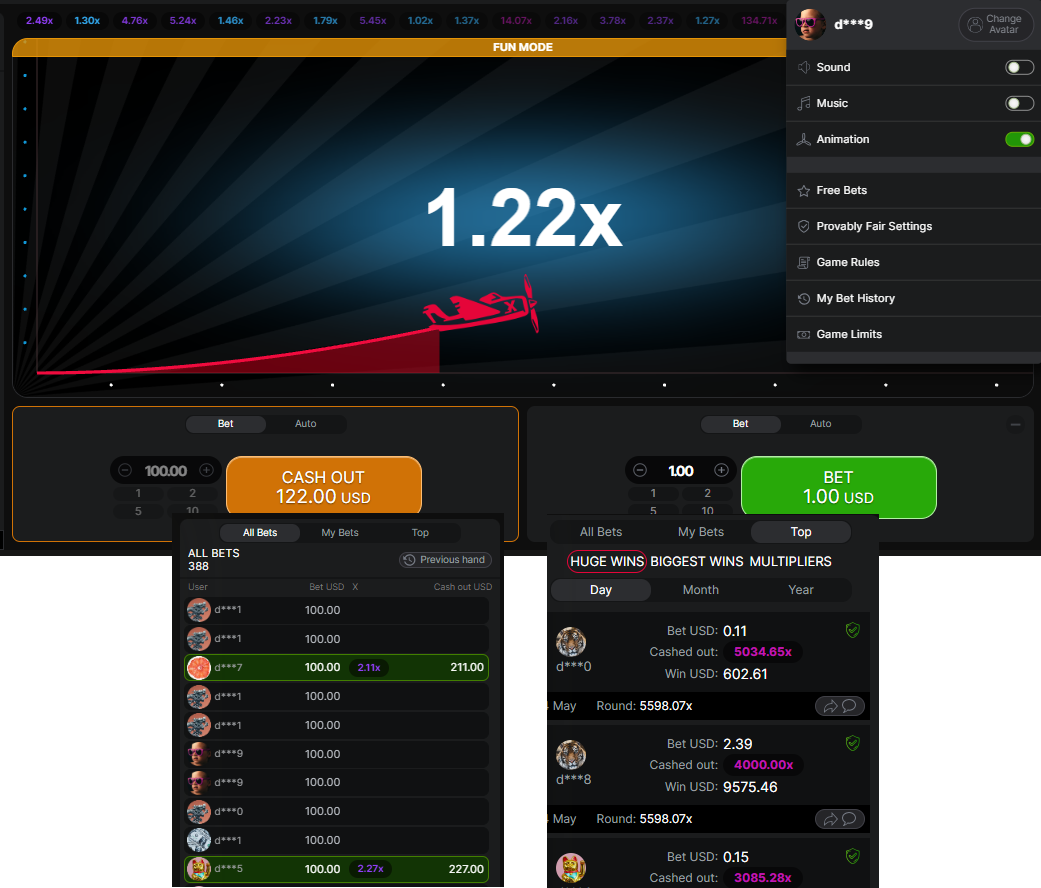
The universe of online crash games like Aviator thrives on adrenaline. The common feelings are thrill, anticipation, and sometimes sharp frustration. But what if you altered your point of view? Cultivating a gratitude mindset doesn’t mean ignoring the odds or claiming losses don’t matter. It’s a true psychological tool. This approach assists you reconsider your play, control your money with more caution, and find more authentic enjoyment in the entertainment aviator games igaming provides. It transforms a focus on what you might be without into an appreciation for the moment you’re in.
Practical Steps to Foster Gratitude at the Online Table
Taking on this mindset takes conscious practice. It’s an active exercise, not a inactive mood. Try weaving a few basic rituals into your Aviator routine. These steps are intended to root you in the present and shift how you evaluate success. The objective is to establish a habit that eventually seems automatic, fostering a healthier relationship with the game and shielding your bankroll from emotion-led choices.
- Pre-Session Acknowledgement:
- Micro-Appreciation Moments:
- Post-Session Reflection:
The Impact of Gratitude on Aviator Players
Gratitude and gambling may appear contradictory. Look closer, and you’ll see they’re different ways of thinking. Aviator is based on unpredictable outcomes; the plane will always crash eventually. A conventional mindset zeros in only on the cashout point, which often leads to dissatisfaction, win or lose. A gratitude mindset alters that approach. It asks you to value the entertainment itself, the social buzz of play, and the simple chance to take part. This shift won’t change the game’s RTP, but it can change your emotional return, making your sessions easier to handle and far less draining.
The Mindset of Scarcity Versus Abundance
Playing from scarcity feels like this: “I must win back what I lost.” That feeling clouds your judgment and pushes you toward risky moves. Everyone understands the tug to chase after an early crash. Gratitude builds a different feeling, one of abundance. It says the primary win is fun and engagement. Any financial gain is a possible extra. This quiet reframe eases the burden on each round. Your decisions become sharper and more disciplined. You start to see each bet as paid entertainment, similar to buying a cinema ticket where the thrill of the show is what you paid for.
Improving Emotional Control
Aviator’s rollercoaster can provoke strong emotions. Gratitude works as a steadying anchor. Develop a habit of acknowledging one positive thing before or after you play. It could be the fun of guessing the crash point, a well-timed small cashout, or just the distraction from your day. This habit builds emotional resilience. It helps avoid tilt, that frustrated, impulsive state where the biggest losses happen. You get better at handling outcomes calmly, remembering that variance is inherent in the game’s design.
Thankfulness as a Natural Partner to Controlled Gambling
The concepts behind gratitude fit hand-in-glove with responsible gambling, something every UK player should practice. Both promote mindfulness, control, and seeing the activity as fun, not a job. When you embrace grateful for the chance to play, the urge to “win at all costs” fades. This inherently supports the key behaviours of responsible play.
- Budgeting Becomes Easier:
- Time Limits Feel Natural:
- Chasing Losses Loses Its Appeal:
Reinterpreting Wins and Losses Through a Grateful Lens
A definition of a “good session” matters. A gratitude mindset broadens that definition beyond your final balance. Picture a session where you lost your set budget but stuck to your limits and had thirty minutes of genuine engagement. You can reinterpret that as a success in discipline and entertainment. Reverse it: a big win that came from reckless, tilted betting is a poor outcome, despite the money in your account. You learn to judge your sessions on various criteria: enjoyment, sticking to your plan, emotional control, and only then the financial result.
This reframing is a form of freedom. It detaches your self-worth from the game’s random number generator. A loss becomes compensation for an exciting experience and a lesson in how chance works, not a mark of personal failure. A win becomes a pleasant surprise, not an expectation or a reason to take bigger risks. This balanced view is the foundation of sustainable play. It matches the reality of chance games like Aviator much better than a win-at-all-costs attitude ever could.
Typical Player Mindsets and the Gratitude Alternative
Reflect on some typical player profiles. A gratitude shift could change their experience. The “Thrill-Seeker” plays for the adrenaline spike. Gratitude helps them savour each spike without having to constantly increase their bets to sense the same rush. The “Strategic Analyst” pores over every round. Gratitude encourages them to step back and enjoy the unpredictable spectacle, which reduces frustration. The “Escapist” employs play to unwind. Gratitude makes that unwinding intentional and positive, rather than just a numb distraction.
For the “Dreamer” chasing a life-changing win, gratitude may be the most important tool. It gently anchors expectations by fostering appreciation for their current life, rendering the game a fun addition rather than a desperate solution. In each case, the gratitude mindset doesn’t erase the original motive. It adds a healthier, more protective layer that boosts overall well-being.
Long-Run Gains: Past the One Game Session
The effects of this habit accumulate over time, reaching beyond your screen. By training your brain to find appreciation in a high-variance context like Aviator Games, you build mental routines of resilience and positivity. These habits carry over into other aspects of your life. The ability to accept outcomes, manage disappointment, and discover joy in the process is beneficial everywhere. It also protects your ability to enjoy the game itself for the foreseeable future.
Many players exhaust themselves emotionally long before they exhaust themselves financially. The game just stops being fun and becomes a source of stress. A regular gratitude routine protects against this. It helps ensure Aviator continues as a dynamic, absorbing pastime. It becomes a small pleasure in your week that you can tackle with a cheerful heart and a clear head, no matter what happened last time.
Beginning Your Gratitude Practice Now
Begin on your upcoming Aviator session. Use the pre-session acknowledgement. Maintain those micro-appreciations easy and uncomplicated. Have patience with yourself. Old habits of frustration will pop up. When they do, gently guide your focus back to something you can be grateful for right then. It could be the game’s modern design, the plain chance to play, or your own discipline in cashing out. After a while, this won’t seem like a homework task. It will just be like the way you play.
Combining a gratitude mindset with the thrilling mechanics of Aviator Games creates a more refined, satisfying, and sustainable kind of entertainment. It lets you interact with the game on your own terms, putting your well-being and enjoyment at the core of the experience. You take back control. Not over the plane’s flight path, but over your own emotional experience during the ride.