Whoa! I didn’t expect to get excited about wallets again. But really, the last year changed things in a way that matters for day-to-day DeFi users. My first thought was: too many chains, too many tabs, too much mental overhead. Initially I thought a single wallet to rule them all was a pipe dream, but then I started using tools that actually simulated transactions and stitched balances together — and that changed my workflow.
Here’s the thing. Multi-chain isn’t just about adding another network dropdown. It means coherent portfolio tracking across L1s and L2s, transaction previews that show token flows, and guardrails that stop you from accidentally approving a roguesome contract. Hmm… my instinct said there would be tradeoffs. On one hand you gain convenience. On the other, complexity sneaks in if the UX isn’t thoughtful. Actually, wait—let me rephrase that: you gain convenience only if the wallet surfaces the right context, otherwise you get a false sense of security.
Short interlude. Whoa! Seriously? Wallets used to hide a lot. Now they simulate. That was the first big shift. Simulations changed my habits because they answered the basic user question: what will actually happen to my assets if I hit confirm? Without that, you’re guessing. With it, you can see token flows, slippage, and even downstream calls before committing.
Here’s what bugs me about older wallet designs: they treat chains like silos. You switch networks manually, then you wonder where your token went. I remember losing minutes, sometimes hours, trying to reconcile a bridge that failed mid-flight. (oh, and by the way…) A better wallet stitches those silos into one mental model. It surfaces cross-chain positions and shows which liquidity lives where, rather than forcing you to mentally aggregate things across Etherscan tabs.
Okay, so check this out — portfolio tracking matters more than you think. Short sentence. Medium sentence about value aggregation: seeing your total value across Polygon, Optimism, Arbitrum, and Ethereum mainnet helps you plan rebalances without logging into five different explorers. Longer thought with context: because yield opportunities and trade execution windows often span multiple chains, being blind to balances on an L2 can cost you a profitable swap or leave funds stranded amid a slow bridge confirmation.
I’m biased, but UX wins. Really. Wallets that simulate transactions and display all relevant approvals reduce anxiety. My instinct said simulations would be slow or unreliable. Actually, they tend to be surprisingly fast when implemented with good RPC endpoints and local heuristics. On the flip side, simulation can give a false sense of security if the tool doesn’t account for mempool dynamics or MEV risks—so you still need to understand the limitations.
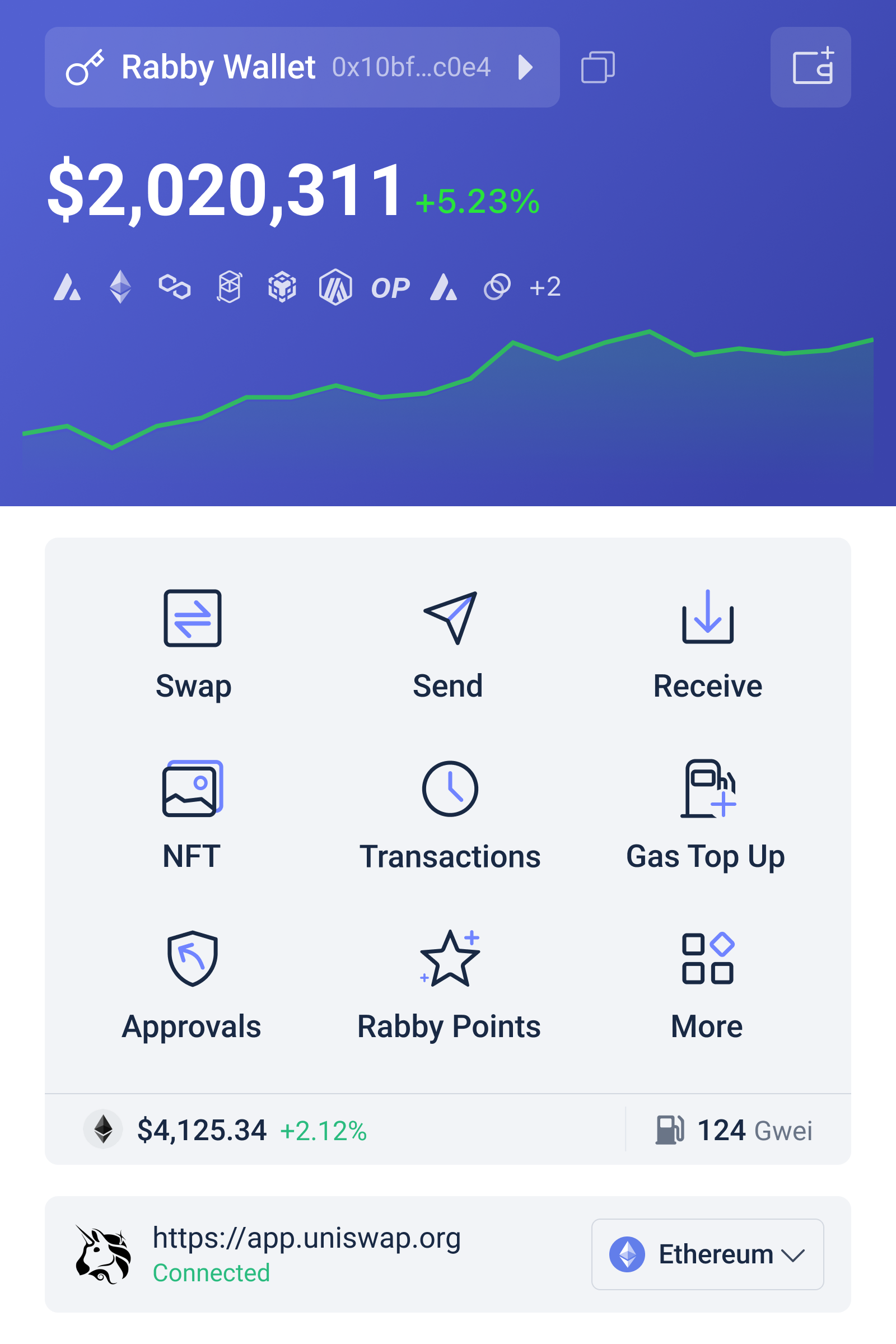
Now, about rabby wallet — for me it checked a lot of boxes. Short sentence. It ties multi-chain balances into one view, gives a clear transaction simulation and flags suspicious approvals. The link to that is natural: rabby wallet. Longer thought: since Rabby shows the exact token transfers and contract interactions before you sign, you can verify a complex zap or multi-hop swap just like you would read a receipt, and that drastically reduces rogue-approval attack surface.

Why simulation is not just a nice-to-have. Hmm… for power users, the ability to preview a bundle of operations means fewer on-chain surprises. For newcomers, a clear plain-language summary cuts the cognitive load and reduces costly mistakes. On the other hand, simulations depend on accurate state reads, and occasional RPC inconsistencies can skew results. So, treat them as high-quality guidance, not gospel.
Short note on security. Whoa! Account abstraction and smart-contract wallets are promising, but they also change threat models. Medium thought: a contract wallet can add recovery and multisig logic, but it also increases complexity and surface area. Longer thought: if a wallet extension integrates hardware signing, external key management, or sessioned approvals, you need to weigh the UX gains against the potential for misconfiguration and ensure the wallet gives you clear, confirmable controls rather than burying them in advanced menus.

Here’s a practical checklist I use when evaluating a multi-chain wallet. Short sentence. Does it provide transaction simulation and a readable breakdown? Does it aggregate balances across chains into one portfolio view? Does it make approvals explicit and easy to revoke? Longer: does it support connecting hardware wallets or deriving accounts in a way that preserves your existing security practices while improving daily usability? If the answer is no to two or more, I step back and rethink the tradeoffs.
Some real-world quirks. I once saw a swap that showed favorable slippage in the simulation, yet on-chain execution failed because the DEX router routed liquidity differently at execution time. That annoyed me. Somethin’ like that sticks with you. These cases reveal why combining good UX with robust backend infrastructure matters — it’s not just pretty interfaces, it’s correctness under real network conditions.
Design things that actually help people
Here’s a concrete example: transaction filters. Short sentence. Allowing users to inspect only approval-type transactions helps reduce approval fatigue, and tagging contract interactions with human-readable intentions (swap, stake, deposit) prevents accidental approvals to scam contracts. I’m not 100% sure about every wallet’s heuristics. But devs who expose the underlying calls and offer “re-simulate” after choosing a different gas price or liquidity source empower smarter decisions. Longer thought: the real power is when the wallet’s feedback loop trains users to expect an outcome and then shows them whether that expectation is met, which over time makes them better at spotting anomalies.
On the privacy front: wallets that stitch balances necessarily compute across chains. That raises the question of where metadata lives. Some providers do this client-side, others aggregate server-side. I’m cautious about handing over excessive telemetry. So I favor wallets that do the heavy lifting locally, or that are transparent about what data they collect and why. I’m also pragmatic; sometimes server-side tooling is necessary for speed, but it should be opt-in.
One thing I still wrestle with: tradeoffs between convenience and exposure. If a wallet offers one-click approvals for common contracts, that’s great when used judiciously. But the same feature can be weaponized in a phishing scenario. So I appreciate designs that put friction exactly where it counts — high-risk approvals, unknown contracts, or cross-chain bridging steps — while smoothing low-risk routines.
FAQ
Do I need a multi-chain wallet if I only use one chain mostly?
Short answer: maybe. If you mostly use a single chain, a single-chain wallet can be simpler. But if you occasionally bridge assets, or want to see your total exposure, a multi-chain wallet that offers clear portfolio tracking and safe simulation can save time and reduce errors. Also, as a practical matter, the lines between chains blur fast — being prepared is useful.
How reliable are transaction simulations?
Simulations are extremely helpful but not infallible. They usually reflect the expected on-chain outcome based on current state and common mempool patterns. However, they can miss late mempool reorgs, frontrunning, or RPC inconsistencies. Treat simulations as a strong heuristic, not a guarantee.
Looking back, I started this with skepticism. Now I feel cautiously optimistic. There’s still alot to improve. But wallets that combine multi-chain portfolio tracking, honest transaction simulation, and clear approval controls are the ones I’ll trust with my day-to-day DeFi moves. I’ll be honest: nothing is perfect. Still, the direction is promising, and tools like the rabby wallet show how practical protections can fit into a usable workflow. So yeah — keep experimenting, keep your guard up, and enjoy the fewer-surprises life.